
Excess oxygen alters wine.
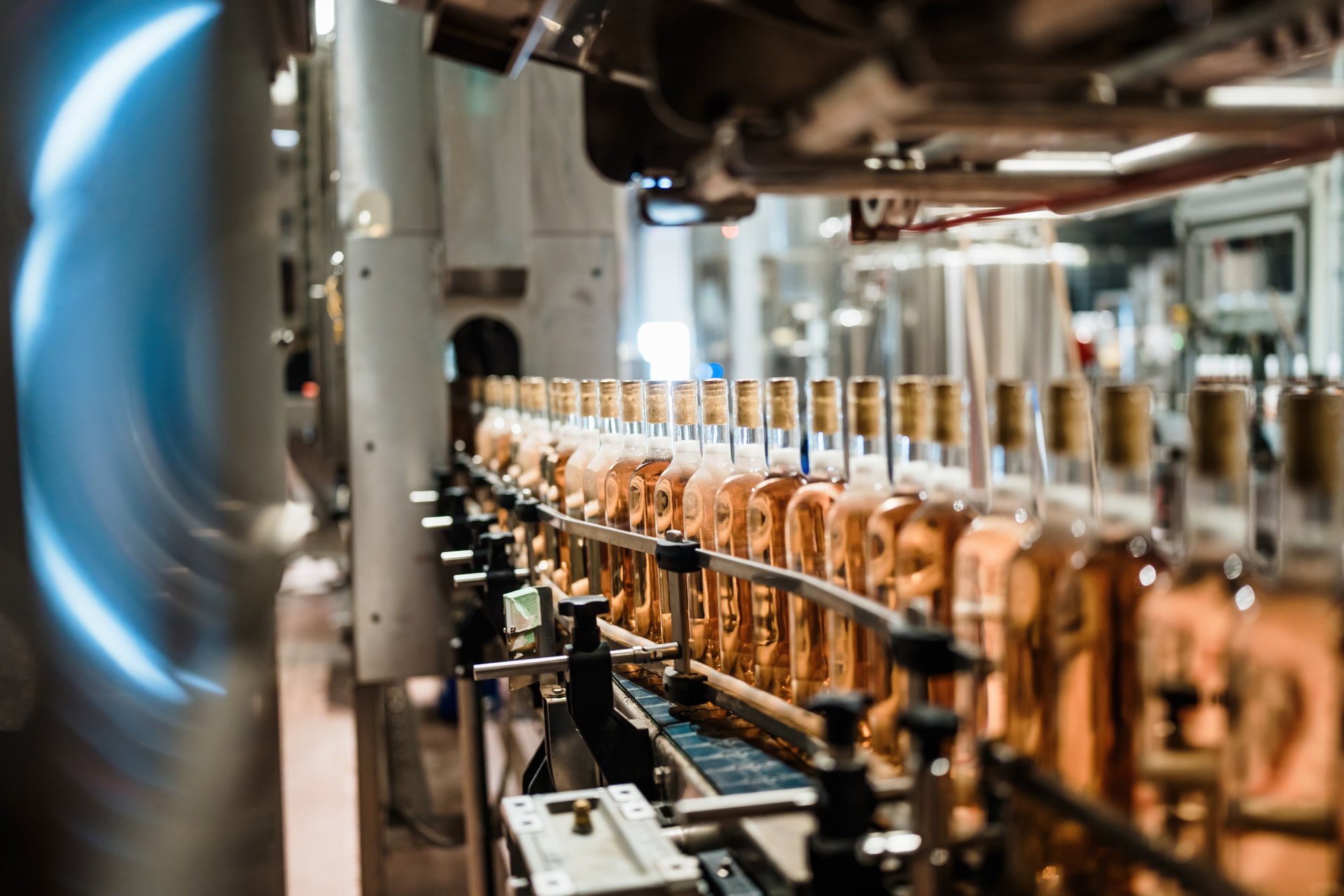
Preserving wine during bottling requires attention. For whites and rosés, too much oxygen can change their colour and cause them to lose their fresh, fruity aromas.
Women and men work around the bottling line. Their attention follows the wine as it passes into bottles, with a responsibility to preserve what has been entrusted to them. Behind the moving bottles, the task is not simply to fill a container. It concerns a wine whose colour and aromas must not be damaged by this stage.
You can watch a line and follow the movement of the bottles. That movement, however, does not tell the whole story of what is at stake for their contents. The aim is to transfer wine into bottles without altering its qualities. Excess oxygen is one of the risks that must be considered.
Colour browns and aromas fade
The fact is specific: too much oxygen makes white and rosé wines turn brown and causes them to lose their fresh, fruity aromas. It therefore affects both what you see and what you smell. The colour changes, while part of the wine’s aromatic expression is lost.
Browning here is not simply a detail of presentation. It reflects an alteration of the wine. Likewise, the loss of fresh, fruity aromas does not concern the bottle’s appearance: it affects its contents. What bottling needs to preserve already belongs to the wine before this operation begins.
The meaning of “too much” also matters. The stated fact concerns an excess of oxygen. It does not establish a threshold, nor does it suggest that every contact would have the same consequences. Without further measurements or context, giving a value or a timeframe would mean adding an unsupported detail.
Preserving rather than transforming
During bottling, the role is therefore not to create fresh, fruity aromas. It is to avoid losing them. This distinction gives the work its purpose: to retain organoleptic properties, meaning the characteristics of wine perceived through the senses, rather than trying to produce them during bottling.
This changes how you look at this stage. A filled bottle alone does not sum up the intended result. The wine inside it must retain its qualities. For whites and rosés, the risk associated with excess oxygen is a reminder of why colour and aromas matter as much as the transfer into a container.
Preservation does not mean promising to correct the wine. Bottling does not replace the work that came before it and must not take credit for that work’s outcome. Its responsibility is to respect that outcome, preventing a packaging operation from becoming a cause of damage to the wine.
Attention in the service of wine
This is the role of Épure, a bottling centre in Brignoles, in Provence Verte. Épure does not make wine. It works to ensure that wine retains all its organoleptic properties. Faced with the risk of excess oxygen, its mission remains that of bottling: to preserve the wine entrusted to it, without claiming credit for what was achieved before its arrival.
Written with the help of artificial intelligence, and reviewed before publication.