
A clear wine can become cloudy later
A bottle that looks perfect as it leaves the bottling line can become cloudy, ferment again or develop sediment several months later. Clarity alone does not guarantee that it will keep well.
A haze in your glass or sediment at the bottom of a bottle can appear several months after bottling. A previously clear wine can change this way through the activity of microorganisms, microscopic living organisms, without their presence having been visible at first.
Why can wine become cloudy in the bottle?
Some microorganisms can grow in wine when conditions allow. Their activity can cause cloudiness or contribute to sediment formation. Yeasts can also cause refermentation, meaning fermentation starts again using sugars still present in the wine.
You therefore cannot judge how well a wine will keep simply by its clarity. Conversely, sediment alone does not prove microbial spoilage: not all sediment has this origin.
Protecting wine during bottling
Part of the challenge is to avoid introducing microorganisms as wine passes through equipment and into the bottle. Keeping surfaces that touch the wine clean helps prevent this. Contamination at this stage can remain invisible, only becoming apparent long after the bottle has been sealed.
For a Provence wine, as for any other wine, preserving its existing qualities therefore means looking beyond its immediate appearance. The purpose is not to create a flavour, but to prevent later spoilage.
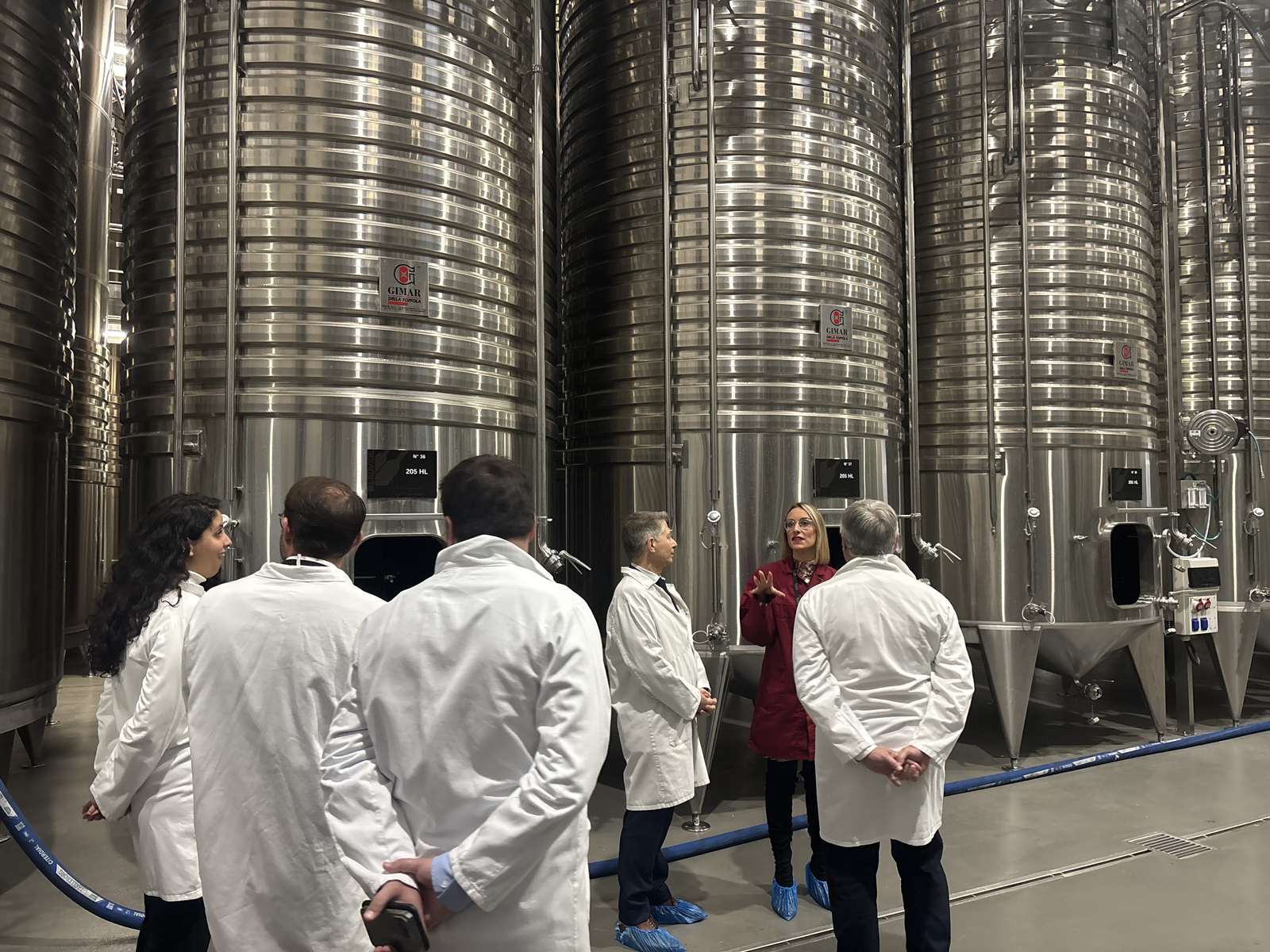
You can see this stage by visiting the Épure bottling centre in Brignoles, in Provence Verte, in the Var.
Épure does not make the wine: it ensures that, once bottled, it retains all the qualities the winegrower has given it.
Written with the help of artificial intelligence, and reviewed before publication.